Automotive Window Tinting Charlotte NC: Ceramic vs. Carbon Window Tint Compared
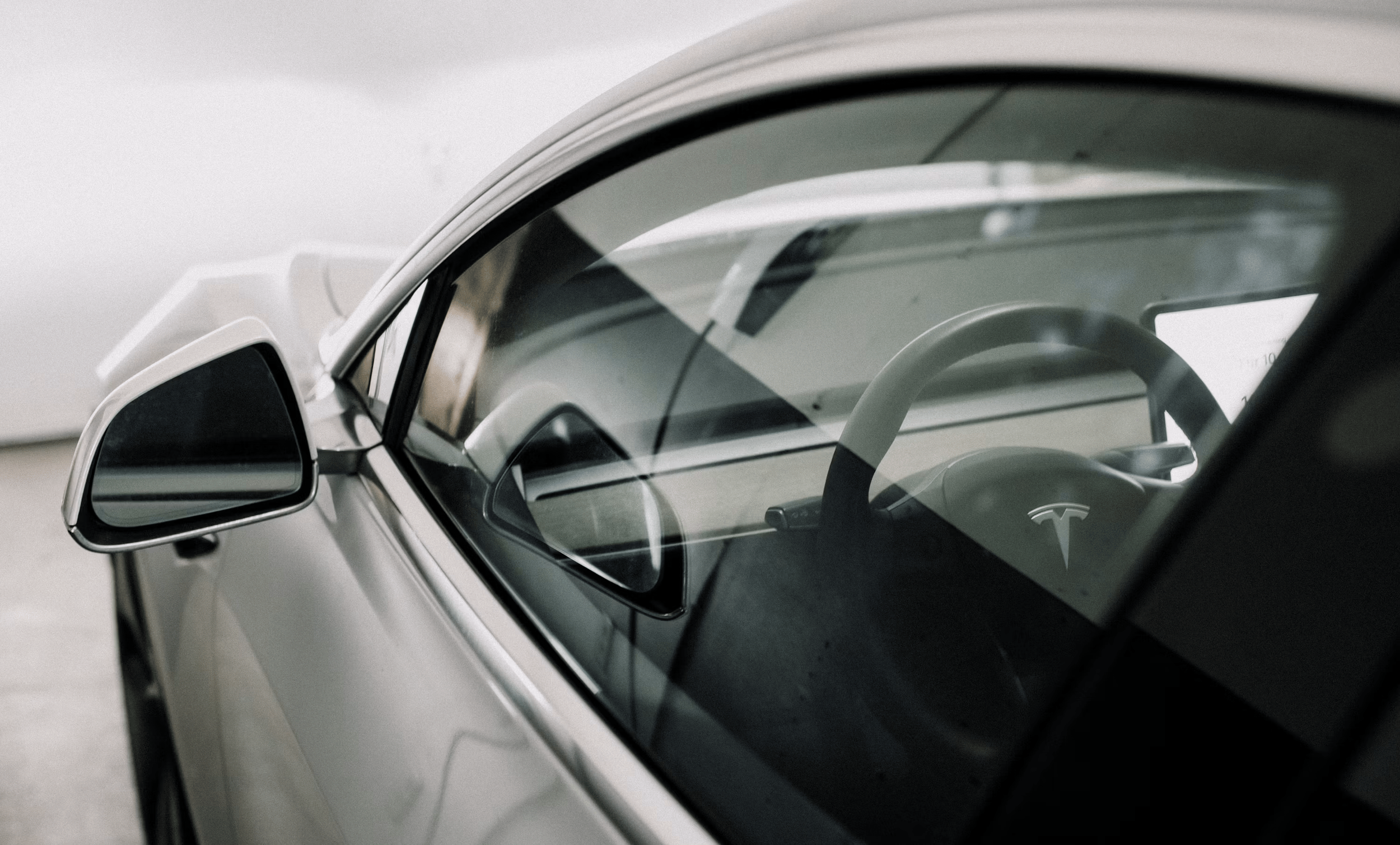
Elite Pros Window Tinting gets asked this almost daily: ceramic or carbon? If you have spent a July afternoon on I-485 with the A/C roaring and your left arm still cooking, you already know why the answer matters. Choosing automotive window tinting Charlotte NC drivers can count on has far less to do with how dark the glass looks and much more to do with which film actually stops heat. So let us put both car window tint Charlotte NC options side by side, including what window tint NC law actually permits.
Quick Answers
| Question | Direct Answer |
|---|---|
| Which window tint blocks more heat? | Ceramic. It rejects substantially more infrared energy than carbon at the same visible shade. |
| Is ceramic tint worth the higher price? | For most Charlotte drivers, yes. You are paying for infrared rejection, not for a darker look. |
| Does ceramic tint block cell, GPS, or Bluetooth? | No. Ceramic contains no metal, so signal interference is not a concern. |
| Which tint offers better UV protection? | Neither. Quality ceramic and carbon films both block more than 99 percent of UVA and UVB. |
| How dark can tint legally be in North Carolina? | Side windows must pass at least 35 percent of light; above 32 percent on an approved meter counts as compliant. |
| Which tint is best for Charlotte summer heat? | Ceramic, because Charlotte July highs average near 90 degrees and infrared load is the real problem. |
Ceramic Window Tint Benefits: Why Does It Win a Charlotte Heat Test?
Ceramic window tint swaps dye and metal for nano ceramic particles. That sounds like a spec sheet detail until you slide into a car parked in an uncovered Pineville lot since nine in the morning.
How much infrared heat does ceramic actually block?
Quite a lot, and manufacturer data makes it concrete. 3M automotive ceramic IR window film specifications list up to 95 percent infrared rejection and up to 66 percent total solar energy rejection, and the Avery Dennison nano ceramic IR product data sheet publishes up to 87 percent solar infrared rejection and up to 93 percent glare reduction. Carbon reduces infrared; ceramic rejects most of it.
Will ceramic tint interfere with GPS, Bluetooth, or cell signal?
No, and the myth is stubborn. Signal problems came from older metalized films that behaved like a Faraday cage. Ceramic has zero metal, so your phone, navigation, tire sensors, and toll transponder all work normally. Same goes for carbon.
The other advantage is night clarity. Ceramic stays optically clean after dark, which matters backing out of a parking deck near Carolina Place Mall. Our automotive window tinting Charlotte NC service page covers the install process.
Carbon Window Tint Pros and Cons: Is It Still Worth It for Car Window Tint Charlotte NC?
Carbon takes a beating in online forums, and that reputation is unfair. It is a good film that sits below ceramic on one specific measurement.
What does carbon window tint do well?
More than people give it credit for. Carbon holds no metal, contains no dye, and will not drift purple the way 1990s film did. It gives a flat matte finish plenty of Charlotte drivers prefer to ceramic slight sheen, and it cuts glare nicely. On UV it is an equal, because protection comes from inhibitors in the film rather than from darkness. The Skin Cancer Foundation guidance on UV window film notes quality film blocks more than 99 percent of UVA and UVB. That matters because side and rear glass is tempered, not laminated, and lets UVA straight through.
Worth hearing from someone with no product to sell. Lisa Winckler, a technical consultant for the International Window Film Association with more than 35 years in the industry, told a Skin Cancer Foundation expert interview on car window tint that darker tints do not block UV any better than clear UV film does. Darkness and protection are different things.
Where does carbon window tint fall short?
Infrared, and the reason is mechanical rather than marketing. Carbon particles absorb solar energy instead of rejecting it, so the film heats up and radiates that warmth back into the cabin. On a 95 degree Charlotte afternoon you feel that on your skin long before you read it on a spec sheet.
Which Window Tint Is Better for Charlotte? A Side by Side Look
So which film belongs on your daily driver? It comes down to your commute, your parking situation, and how much a hot cabin genuinely bothers you.
| What You Care About | Ceramic Window Tint | Carbon Window Tint |
|---|---|---|
| Infrared Heat Rejection | Strongest option available, up to 95 percent by manufacturer data | Moderate, and it absorbs rather than rejects |
| Total Solar Energy Rejection | Up to roughly 66 percent depending on shade | Lower, varies by shade and brand |
| UV Protection | More than 99 percent of UVA and UVB | More than 99 percent of UVA and UVB |
| Glare Reduction | Up to 93 percent on premium ceramic lines | Good, though generally a step behind ceramic |
| Signal Interference | None, zero metal content | None, zero metal content |
| Appearance | Very clear at night, slight sheen in daylight | Flat matte black with no reflectivity |
| Color Stability | Will not fade purple | Will not fade purple |
| Relative Price | Premium tier | Mid tier and easier on a budget |
| Best Fit in Charlotte | Long commutes, uncovered parking, kids and pets aboard | Garage-kept cars, night drivers, value focus |
Which window tint lasts longer?
Both outlive the old dyed films by years, because neither relies on dye for color. Ceramic keeps its optical clarity longest. Longevity rarely decides this one, though, since every automotive install here carries a lifetime no fault warranty either way.
Window Tint NC Laws: What Do Charlotte Drivers Get Wrong?
The most common misconception we hear is that darker film means a cooler car. It does not, and chasing darkness is how people end up with a ticket and a film they have to peel off.
Side windows must pass at least 35 percent of light, and a reading above 32 percent on an approved meter counts as compliant. Reflectance must stay at 20 percent or lower. Red, yellow, and amber films are prohibited. Windshields may be tinted only along the top strip, to the AS1 line or five inches, whichever is longer. The statute is public reading in North Carolina window tint law under G.S. 20-127.
And what if you go darker anyway? It is a Class 3 misdemeanor, aftermarket film gets metered at the annual state inspection for a small fee, and removing it within 15 days with a compliance certificate is a recognized defense. We would rather you skip all that, so we meter your glass before you leave.
How Much More Does Ceramic Cost, and How Do You Decide?
What is the smartest order to work through this decision? Run these five steps and you will not second guess the choice later.
| Step | What to Do | Why It Matters |
|---|---|---|
| 1 | Note where the car sits between 9am and 5pm | An uncovered lot off Southern Loop Blvd loads a cabin far harder than a covered deck Uptown. Parking habit usually decides the film. |
| 2 | Ask for infrared rejection, not just VLT | Two films at identical darkness can perform completely differently. VLT describes looks; IRR describes comfort. |
| 3 | Try the shade before you commit | Autobahn publishes a film simulator so you can preview shades on a vehicle rather than guessing from a sample chip. |
| 4 | Confirm the shop meters your glass | North Carolina inspections meter aftermarket film, so verifying compliance at install saves an expensive re-do. |
| 5 | Read what the warranty actually excludes | Manufacturer warranties routinely skip scratches plus pet and kid damage. Ask specifically whether a no fault warranty is included. |
We will not publish a number that goes stale. Ceramic sits a tier above carbon, and your figure depends on the vehicle, the number of windows, and whether old film needs removal. Options live on our Charlotte window tint pricing page, or you can request a free automotive window tinting quote and get it in writing first.
When Should You Book Automotive Window Tinting Charlotte NC Installers Recommend?
Spring, if you can plan it. National Weather Service climate normals for Charlotte put average daily highs near 90 degrees through July, before humidity gets a vote. Booking in April means the film is cured before the heat that made you want it.
How long does curing take? Three to five days in warm weather. Leave the windows up, ignore any light haze, and do not panic over small water pockets, because they clear on their own.
Most vehicles are done in one and a half to three hours at 10809 Southern Loop Blvd Unit 18, Pineville, NC 28134, right off I-485. Searching for professional window tinting near me from Ballantyne, Matthews, or Fort Mill? Short drive. You can schedule your Charlotte window tinting appointment online and take 10 percent off with code ONLINE10.
Automotive Window Tinting Charlotte NC: Why Drivers Choose Elite Pros Window Tinting
What separates a tint job you love from one you regret? The hands doing it. Film brand matters, but a premium film installed carelessly still looks like a cheap tint.
Elite Pros Window Tinting opened its Pineville shop in 2017, though our founder has installed automotive window film since January 2000, starting out helping build one of the highest grossing tint shops on the east coast. Every automotive install carries a lifetime no fault warranty plus a 100 percent money back guarantee, so if the film fails, we fix it. More on why Charlotte drivers choose Elite Pros.
What films does Elite Pros actually install?
We are a certified dealer for Autobahn Performance Films ceramic window film and Huper Optik premium window film, which gives us a real ladder rather than a single product to upsell. That runs from Autobahn Black entry level film through Black Ceramic and up to Ceramic i3 and i3 Plus. One honest note: Autobahn labels its tiers by construction rather than using the word carbon, so carbon here means the film category, and in the shop we will show you which tier matches that performance level.
We are locally owned, serving Charlotte and nearby North Carolina towns, with discounts for first responders, veterans, teachers, and students holding a school ID. See recent work on the Elite Pros Window Tinting Facebook page, connect with our founder on LinkedIn, read verified reviews on our Charlotte Google Business Profile, or browse what Charlotte and Pineville customers say.
The Bottom Line on Ceramic vs. Carbon Window Tint
Here is the short version. If your car lives outside, if you commute real Charlotte miles, or if you have kids or a dog in the back seat, ceramic is worth stretching for, and the infrared numbers back that up. If your car sleeps in a garage and you want a clean matte look without the premium, carbon will make you happy and we will say so.
Either way, the film is only half the job. When you search window tinting near me and start picking a shop, remember that automotive window tinting Charlotte NC done right means legal shades, metered glass, tight edges on curved glass, and a warranty that means something. That is what we have practiced since 2000.
Still Not Sure Which Film Is Right for Your Car?
Tell us your year, make, and model, and we will walk you through ceramic and carbon in plain language, with no pressure to buy up. Charlotte summers are not getting gentler, and the right window film pays you back every afternoon.
REQUEST YOUR FREE QUOTE: Get a written automotive window tinting quote, or book online and save 10 percent with code ONLINE10. Prefer to talk it through? Call (704) 606-3552 or contact our Pineville window tint shop.
Overviews
Ceramic and carbon are both metal free automotive window films, but they perform differently in heat. Ceramic window tint rejects far more infrared energy, the wavelength range responsible for the heat you feel, so it keeps a cabin cooler through a Charlotte summer. Carbon window tint costs less, will not fade purple, and gives a flat matte finish, but it absorbs heat rather than rejecting as much of it. Both films block more than 99 percent of UV rays, and neither interferes with GPS, Bluetooth, or cell signal. North Carolina law requires side windows to transmit at least 35 percent of light, so a darker film does not mean a cooler car. Elite Pros Window Tinting installs both film families in Pineville, serving Charlotte drivers, and finishes most vehicles in one and a half to three hours with a lifetime no fault warranty.
Key Takeaways
Ceramic rejects far more infrared energy, which is the part of sunlight you actually feel.
Carbon absorbs heat rather than rejecting it, so the film warms up and radiates inward.
Both films block more than 99 percent of UV rays, so UV protection is not the tiebreaker.
Neither film contains metal, so GPS, Bluetooth, and tire sensors are unaffected.
North Carolina caps side windows at 35 percent light transmission. Darker never means cooler.
Ceramic suits long Charlotte commutes and open air parking; carbon suits garage kept cars and tighter budgets.
Elite Pros installs both from Pineville with a lifetime no fault warranty.
Frequently Asked Questions About Automotive Window Tinting in Charlotte NC
1. How much more does ceramic window tint cost than carbon in Charlotte NC?
Ceramic sits a tier above carbon because the film itself costs more to manufacture, and your final number depends on the vehicle, how many windows you want covered, and whether old film has to be removed first. Elite Pros Window Tinting lists current automotive film options on its pricing page and sends a written quote before any film is cut. Booking online takes 10 percent off with code ONLINE10.
2. How long does automotive window tinting take, and how long until the film cures?
Most vehicles are finished in one and a half to three hours at the Pineville shop. Curing is separate: expect three to five days in warm Charlotte weather. Keep the windows up during that window, and do not worry about slight haze or small water pockets, because both clear on their own.
3. Which window tint lasts longer, ceramic or carbon?
Both hold their color far better than old dyed film, which is the tint that famously turned purple. Neither ceramic nor carbon contains the dyes that caused that. Ceramic generally holds optical clarity longest, and Elite Pros backs both film families with a lifetime no fault warranty, so longevity is not the deciding factor between them.
4. Does ceramic tint interfere with GPS, Bluetooth, or cell signal?
No. Signal interference came from older metalized films, and neither ceramic nor carbon contains metal. Your phone, GPS, tire pressure sensors, satellite radio, and toll transponder all keep working normally after either install.
5. What happens if my window tint is too dark for a North Carolina inspection?
Driving with illegal tint in North Carolina is a Class 3 misdemeanor, and vehicles with aftermarket film get metered during the annual safety inspection for a small additional charge. If you are charged, removing the film within 15 days and producing a compliance certificate is a recognized defense. The simpler path is choosing a shop that meters your glass before you drive away.
6. What is the first step to getting car window tint Charlotte NC drivers can rely on?
Start with how you actually use the vehicle rather than with a shade chart. Long daily miles on I-485 or I-77 and open air parking point toward ceramic; a garage kept weekend car does fine on carbon. Then request a quote with your year, make, and model, and we will match the film to your driving.
7. Is ceramic window tint worth the extra money in Charlotte summers?
For most Charlotte drivers, yes, and what you are buying is infrared rejection rather than a darker look. If your car bakes in an uncovered lot or you drive a lot of afternoon miles, ceramic earns its cost every July. If you park in shade and mostly drive after dark, carbon is a sensible choice and nobody here will push you off it.